
Critical Update on Autophagy's Role in Chromosomal Stability
A recent author correction highlights the significance of autophagic cell death in limiting chromosomal instability during replicative crisis.
Editorial Staff Jun 19
Latest Biology stories from Science.
A recent author correction highlights the significance of autophagic cell death in limiting chromosomal instability during replicative crisis.

A recent study published in Nature highlights the potential of stem cell therapy to effectively treat severe autoimmune diseases over a period of 15 years.

A recent study reveals that various animal species perceive time differently, showcasing their unique sensory abilities, including some beetles' capacity to detect high-frequency flickering.

Researchers at the University of Bristol have uncovered the significant role of a moss gene once deemed inactive, challenging established views on plant evolution.

A recent study has successfully mapped the entire peanut genome, highlighting the crop's significance and potential for agricultural advancements.

A recent study from Arizona State University reveals that mealybugs can encode two genes within a single DNA segment, offering fresh perspectives on genetic complexity.

Recent fossil discoveries shed light on the growth strategies of Dimetrodon, a notable predator from the early Permian era, revealing its unique adaptations long before the age of dinosaurs.

Researchers from Science Tokyo have developed a novel fluorescent reporter that visualizes iron and oxygen levels in living cells, achieving single-cell resolution.

A team at the University of Notre Dame has identified a significant protein that aids in the attachment of the outer membrane of gram-negative bacteria, contributing to our understanding of antibiotic resistance.

A recent study indicates that migratory predators could play a role in the evolution of species located thousands of kilometers apart, even without direct interaction.

A new technique using scaffolded DNA and RNA origami aims to improve the precision of nanostructures, potentially advancing biological applications.

A newly discovered crocodile species, dubbed 'Lucy’s hunter', inhabited Ethiopia's rivers over 3 million years ago, posing a significant danger to early human ancestors.
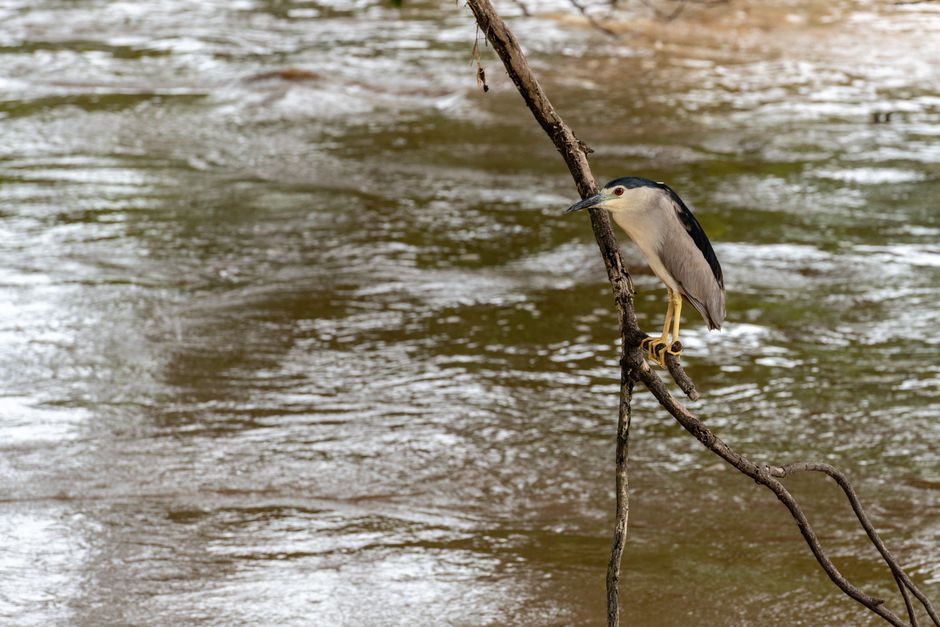
The sighting of a Western Reef Heron in North Wales marks a significant moment for birdwatchers, as experts indicate that climate change may lead to more tropical birds thriving in the UK.
Researchers have created lab-grown canine muscle cells that may improve the efficiency of identifying effective therapies prior to animal trials, potentially reducing reliance on animal testing.
David Guetta, Megan Thee Stallion, EJAE, and Andrea Bocelli have joined forces for 'DNA', the official anthem of the FIFA World Cup 2026, set to debut in Mexico City.
A team from the University of Greifswald has identified a novel mechanism that allows bacteria like Bacillus subtilis to control the production of acetyl coenzyme A.
Research from the University of Calgary suggests that chronic wasting disease may have the potential to spread between different species, which could impact wildlife and ecosystems.
A collaboration among leading research institutions has led to the development of new methods for tracking individual bird species during migration, utilizing participatory science and weather data.
Research led by Indiana University School of Medicine marks a promising advancement in cancer therapy, utilizing nanoparticles to deliver treatments directly to blood cancer cells.
A new open-source platform for fluorescence lifetime imaging microscopy (FLIM) could facilitate more reproducible analysis of complex cell images, potentially advancing cellular research.