
Europe's AI Law Enforcement Begins on August 2, 2026
The European Commission will have the authority to fine AI model creators for training practices and system impacts starting August 2, 2026.
Editorial Staff Jul 11
Latest Space News stories from Science.
The European Commission will have the authority to fine AI model creators for training practices and system impacts starting August 2, 2026.

A recent study suggests that moons expelled into deep space during supernova explosions could sustain subsurface oceans, potentially allowing life to thrive without a star.

A black hole at the center of a nearby galaxy is exhibiting behaviors akin to those of massive black holes from the early universe, offering a unique glimpse into cosmic history.
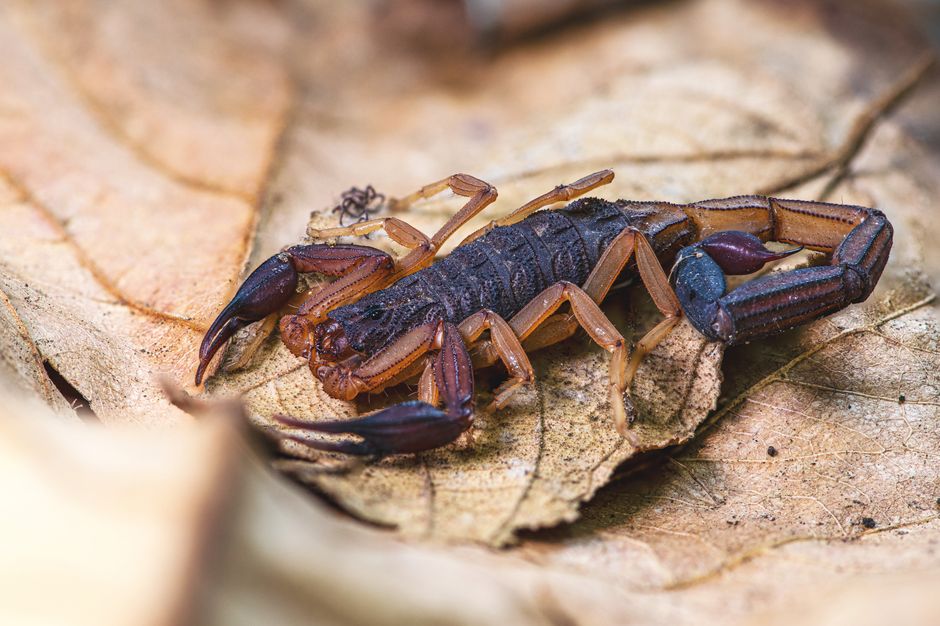
Scorpius, the southernmost constellation of the zodiac, is easily spotted in July evenings. Its distinctive J shape makes it a favorite among stargazers.

A supermassive black hole named RBH-1 is moving at nearly 1,000 km/s, leaving behind a 200,000-light-year trail of gas and newborn stars, according to new research.

The proposal to launch a million data centers into orbit without environmental assessments has drawn sharp criticism, with experts calling it reckless.
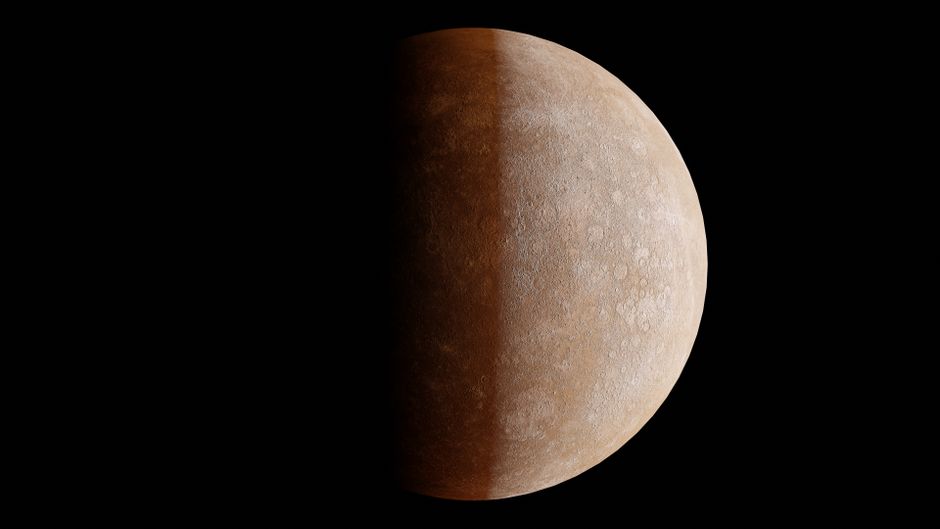
In just three years, the asteroid Apophis will make a close approach to Earth, offering a rare chance for public observation and scientific study.
On October 22, 1975, the Soviet Venera 9 probe made a groundbreaking achievement by sending back the first photograph from the surface of Venus, despite its brief existence under extreme conditions.

In a significant move to enhance its space capabilities, Singapore's new space agency has signed a cooperation agreement with Japan's space agency.
In a significant breakthrough, astronomers from UC Irvine have discovered GJ 251 c, a rocky super-Earth located in a habitable zone less than 20 light-years away, which may soon be photographed by advanced telescopes.

This guide provides insights into observing deep-sky objects along the galactic equator, featuring both well-known and obscure celestial wonders.

A new study indicates that a comet shower we are witnessing may have originated from a star that disturbed the Oort Cloud millions of years ago.
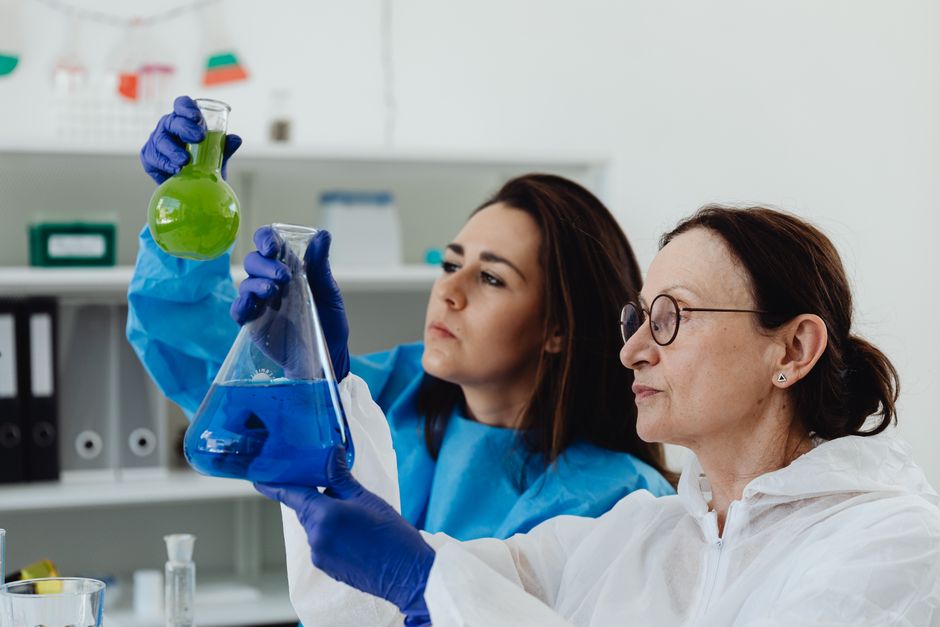
For centuries, Korean women have harnessed the power of rice water in their beauty routines. Recent studies confirm that fermented rice extracts are packed with antioxidants and B vitamins, offering skin benefits.
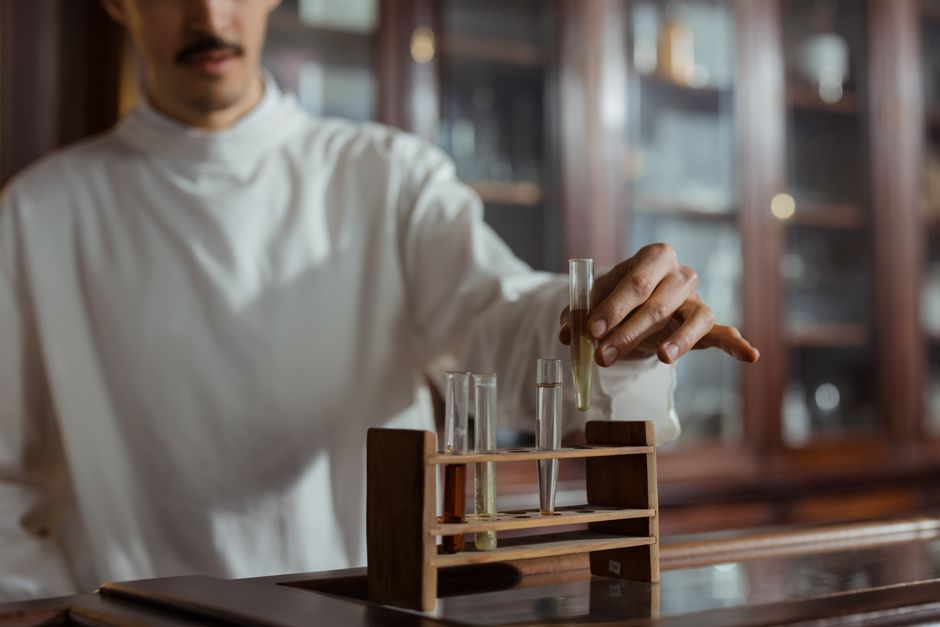
A nearly 4,000-year-old clay tablet from Sumer describes the brewing of beer, suggesting fermentation may have been humanity's first scientific endeavor.
During a recent submersible dive, geochemist Mengran Du uncovered a surprising ecosystem in the deep trenches between Russia and Alaska, thriving without sunlight.

The Roman Space Telescope, scheduled for launch on August 30, 2026, aims to discover approximately 100,000 exoplanets, surpassing all previous telescopes combined.
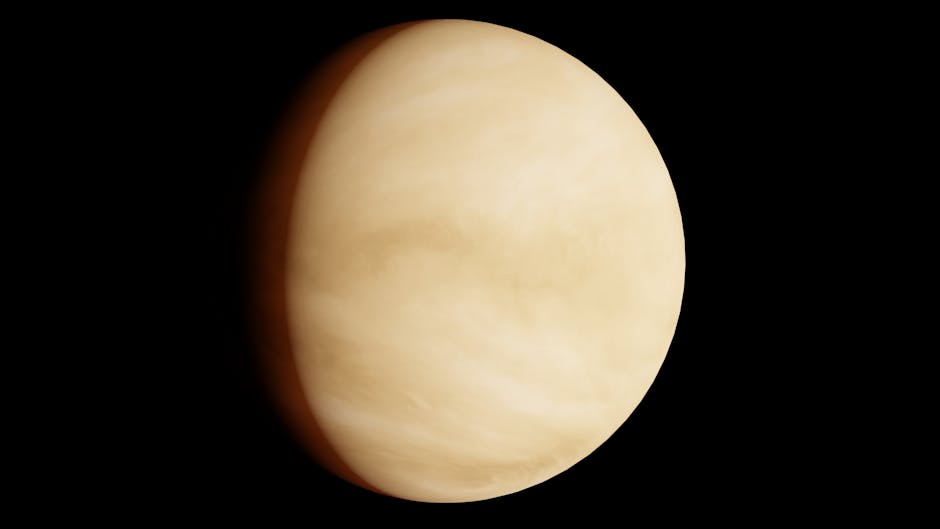
Explore the night sky this July with a guide to visible planets and celestial events, including a stunning view of Saturn.
Research shows that individuals often recall memories from their mid-teens to mid-twenties more vividly than from other life stages, largely due to unique experiences.